
Why Wellington Homeowners Consider a Standby Generator
A practical overview of residential standby power, comfort priorities and planning considerations in Wellington.
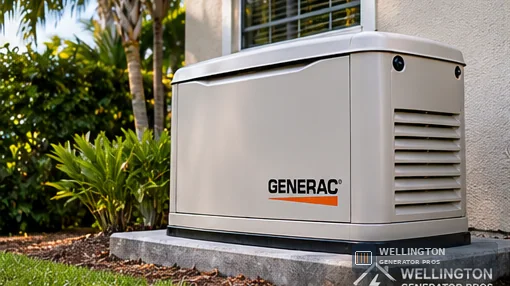
A homeowner guide from Wellington Generator Pros.
Florida homeowners often think about backup power when a storm is approaching, but a standby generator is a project that benefits from planning well before severe weather. A permanently installed system is connected to the home's electrical system through transfer equipment and is designed to operate when normal utility power is interrupted.
For Wellington households, the first question is not simply which generator has the largest rating. It is which essential loads should remain available. Air conditioning, refrigeration, selected lighting, internet equipment, medical-related devices and pool equipment can have very different electrical demands. A qualified contractor can review the home's panel and calculate the load before recommending equipment.
A standby system also needs an appropriate outdoor location, a stable base, suitable clearances, a fuel source and the required permits and inspections. Landscaping, windows, doors, neighboring properties, drainage and community association rules may affect the proposed location.
Important considerations
A practical overview of residential standby power, comfort priorities and planning considerations in Wellington. A careful review of the home's site conditions and equipment documentation can help avoid assumptions that lead to a poor fit or unexpected changes later in the project.
Questions to ask before choosing a system
Ask the contractor how the project will be evaluated, what work is included, which permits or inspections apply, and how the equipment will be tested and maintained. Request a written scope that identifies the selected equipment, installation responsibilities, exclusions, warranty details and next steps.
Local planning in Wellington and Palm Beach County
Properties in Wellington and nearby communities may be subject to different local rules and permitting processes. Confirm the jurisdiction using the exact property address rather than assuming that all nearby mailing addresses follow the same process. Review applicable homeowners association requirements before choosing a generator location.
Talk through your project
Every home and generator installation is different. Call Wellington Generator Pros at (561) 423-4462 to discuss your property, the service you need and whether the local service provider can assist. Equipment selection, pricing, service availability and scheduling should be confirmed directly.
More planning details
Think about the household's priorities
A useful starting point is to write down what the household would want to keep operating during an outage. Refrigeration, selected lighting, communications equipment and essential outlets may be priorities for one family, while another household may also want central air conditioning, well pumps or other larger loads. These choices affect generator capacity and the transfer equipment needed. It is also worth considering whether the home has equipment with high starting demand, because motors and compressors can require more power briefly when they start. A load review helps turn a general wish for backup power into a practical system plan.
Consider the property, not just the equipment
A generator that appears suitable on paper still needs a suitable location. The contractor should review distances from doors, windows and vents, access for maintenance, noise considerations, drainage, landscaping and the manufacturer's installation instructions. The property survey and local requirements may affect where the equipment can be placed. Homeowners in managed communities should review architectural or association rules early, because approval requirements can influence the schedule and proposed location.
Plan for ownership after installation
A standby generator is a long-term piece of mechanical and electrical equipment. Before choosing a system, ask how often it should be inspected, what routine maintenance is required, how the exercise cycle works and who to contact if a warning appears. Keep the model and serial number, manuals, permit records and service history together. These details can make future troubleshooting and maintenance discussions more efficient.
Call (561) 423-4462 to discuss your project.